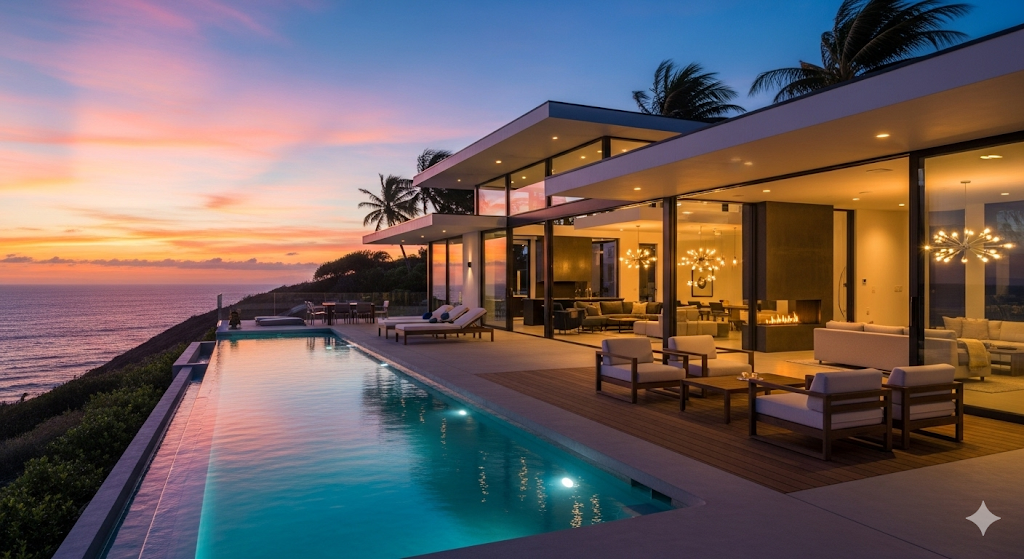
Steps, materials, and considerations you need when building a house or bungalow — whether you’re hiring manpower directly or engaging a contractor.
✅ 1. Planning & Preparation
a. Define your requirements
- Size of the house (area, number of rooms)
- Type (bungalow, duplex, etc.)
- Budget (construction + contingency)
- Timeline
- Style (modern, traditional, eco-friendly)
b. Choose between:
- Hiring manpower directly: Gives more control but requires supervision.
- Hiring a contractor: Easier but less direct control; ensure proper agreements and milestones.
c. Get necessary approvals
- Land ownership documents
- Building plan approval from local municipal authority
- No-objection certificates (if needed)
- Electricity, water, sewage permissions
✅ 2. Hiring the Right People
If hiring manpower directly:
- Architect / Engineer (for design and supervision)
- Skilled laborers: masons, carpenters, electricians, plumbers
- Helpers and transport workers
If hiring a contractor:
- Check past projects and references
- Ensure registration/licensing
- Clarify payment terms, deliverables, warranty, and penalties
- Draft a written agreement
✅ 3. Designing the House
- Create detailed architectural drawings
- Structural engineering design for safety
- Electrical, plumbing, and HVAC layout
- Interior design and finishes planning
✅ 4. Foundation and Structural Work
Steps:
- Site clearing, leveling, and marking
- Excavation
- Foundation – strip footing, pile foundation depending on soil
- Concrete pouring and curing
- Structural frame – columns, beams, slabs
✅ 5. Wall Construction & Roofing
- Brickwork or concrete blocks
- Plastering of walls
- Roofing material installation
- Waterproofing and insulation
✅ 6. Electrical, Plumbing & Fixtures
- Wiring, switches, distribution boards
- Plumbing pipes, fittings, drainage
- Water pump and storage
- Bathroom fittings, sinks, kitchens, etc.
✅ 7. Finishing Works
- Flooring (tiles, marble, etc.)
- Paint and wall finishes
- Doors, windows, grills
- Cabinetry, wardrobes, shelves
- Exterior works: driveway, landscaping, boundary wall
✅ 8. Testing & Commissioning
- Plumbing pressure testing
- Electrical load testing
- Water supply, drainage checks
- Safety compliance
✅ 9. Handover and Maintenance Planning
- Document warranties
- Maintenance schedules
- Ensure all approvals are in place
✅ Building Materials Commonly Used
| Material | Use Case |
|---|---|
| Cement | Concrete, plaster, bonding |
| Sand | Mortar, concrete mix |
| Aggregates | Concrete strength |
| Steel rods | Reinforcement for slabs, beams |
| Bricks/Blocks | Walls and partitions |
| Wood | Doors, windows, furniture |
| Glass | Windows, aesthetic facades |
| Tiles/Marble | Flooring and wall finishes |
| Paints | Interior/exterior finishes |
| Plumbing pipes | Water supply and drainage |
| Electrical wiring | Power distribution |
| Waterproofing compounds | Protects roofs, basements |
✅ Key Considerations
1. Budget Control
- Include contingency for unforeseen costs
- Compare quotes from multiple sources
2. Quality vs Cost
- Don’t compromise on structural materials (cement, steel)
- Final finishes can be adjusted later if needed
3. Legal and Safety Compliance
- Approvals from local authorities
- Building codes and fire safety norms
- Worker safety measures
4. Timeline Management
- Monitor progress weekly
- Avoid unnecessary delays in material delivery
5. Sustainability
- Use energy-efficient appliances
- Consider rainwater harvesting and solar panels
- Eco-friendly materials where possible
6. Maintenance Planning
- Choose materials that are durable and easy to maintain
- Keep records of installations and warranties
✅ Final Tips
- Visit the site regularly to ensure adherence to design and quality.
- Keep a proper documentation trail — agreements, payments, material purchases.
- Engage professionals for critical steps like structural design and electrical planning.
- Plan for future expansion or modifications if needed.
Leave a Reply